You can effectively combat insomnia through sleep meditation by combining proven relaxation techniques with mindful breathing exercises. Start with the 4-7-8 breathing method while lying comfortably in a quiet, dimly lit space. Progress through a systematic body scan, beginning at your toes and moving upward, spending 30 seconds on each area to release tension. Focus on diaphragmatic breathing with a 2-second inhale and 4-second exhale pattern, allowing your mind to settle into a peaceful state. Create an ideal environment using white noise or nature sounds, comfortable bedding, and minimal distractions. These fundamental practices lay the groundwork for mastering more advanced sleep meditation techniques.
Highlights
- Practice the 4-7-8 breathing technique while lying in bed, as it naturally calms the nervous system and promotes sleep onset.
- Create a dedicated sleep meditation space with dim lighting, comfortable bedding, and minimal distractions from electronics.
- Use body scan meditation starting from toes to head, systematically releasing tension in each muscle group before sleep.
- Maintain consistent meditation timing each night, preferably 15-30 minutes before your regular bedtime.
- Combat racing thoughts by focusing on diaphragmatic breathing with longer exhales while acknowledging but not engaging with thoughts.
Understanding Sleep Meditation Basics
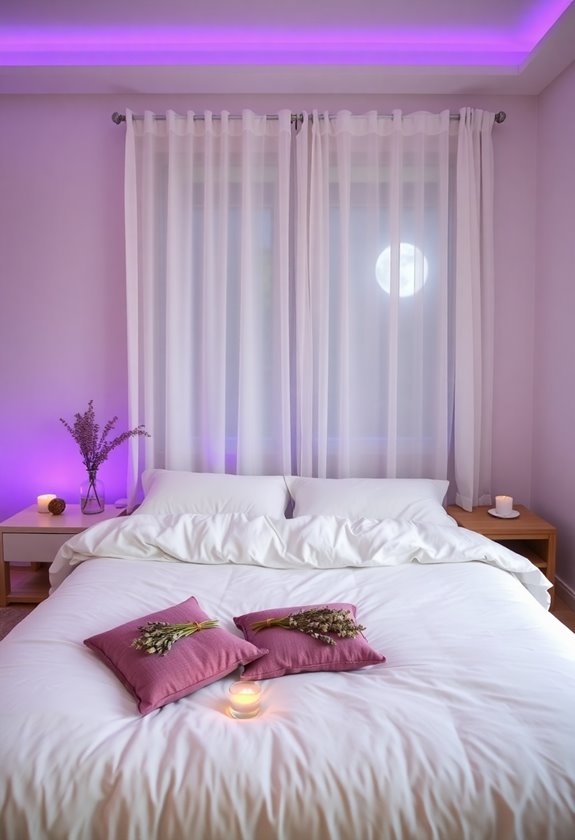
Sleep meditation is a powerful technique that combines mindfulness with relaxation to help you drift into a peaceful slumber. You'll need to understand three core elements to get started:
- Mindful breathing: Focus on your natural breath pattern while letting thoughts pass without judgment or attachment
- Body awareness: Systematically relax each muscle group from your toes to your head, releasing physical tension
- Mental clarity: Allow your mind to settle into a quiet state while maintaining gentle awareness of the present moment
When you're practicing sleep meditation, you'll want to create an environment that supports deep relaxation, which includes dimming lights and finding a comfortable position that you can maintain. Your practice should begin with slow, deliberate breathing exercises that naturally evolve into a more passive state of awareness.
Breathing Techniques for Better Sleep

Three essential breathing techniques can transform your bedtime routine into a gateway for restful sleep. When you're ready for bed, you'll want to focus on slow, rhythmic breathing patterns that naturally calm your nervous system and prepare your body for sleep.
Here are the proven breathing techniques you'll want to master:
- 4-7-8 Method: Inhale for 4 counts, hold for 7, exhale for 8
- Box Breathing: Equal counts of 4 for inhale, hold, exhale, and pause
- Diaphragmatic Breathing: Deep belly breaths with a 2-second inhale and 4-second exhale
- Progressive Breathing: Gradually extending exhales longer than inhales
- Alternative Nostril Breathing: Alternating breath through each nostril while blocking the other
Practice these techniques while lying comfortably in bed, and you'll likely notice your mind becoming quieter as your body relaxes into sleep.
Body Scan Meditation Methods

During your journey toward restful sleep, body scan meditation serves as a powerful technique to release physical tension and quiet your mind. Start by lying comfortably on your back, allowing your arms and legs to rest naturally at your sides.
Begin at your toes and gradually move your attention upward through each part of your body:
- Focus on your feet for 30 seconds, noticing any sensations while letting go of tension
- Progress to your ankles, calves, and knees, spending equal time with each area
- Continue through your thighs, hips, lower back, and torso, releasing any tightness you discover
- Move through your chest, shoulders, and neck with careful attention
- Finally, relax your facial muscles, jaw, and scalp until your entire body feels heavy and peaceful
Creating Your Bedtime Meditation Space
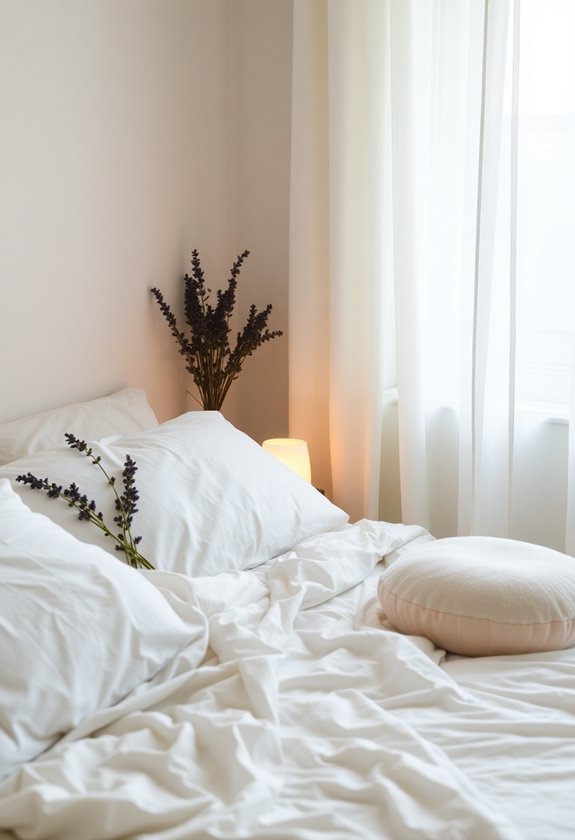
Designing a tranquil meditation space is essential for achieving deep, restorative sleep. Your bedroom should become a sanctuary where distracting elements are minimized and calming features take center stage, allowing your mind to naturally shift into a peaceful state.
Cooling bed sheets can help create the optimal temperature for meditation and relaxation.
To create your ideal meditation space, you'll want to incorporate these essential elements:
- Soft, dimmable lighting that can be adjusted to match your preferred meditation atmosphere
- Comfortable cushions or a supportive meditation chair positioned away from electronic devices
- Natural elements like plants or essential oil diffusers to engage your senses positively
- Sound-dampening items such as thick curtains or white noise machines to block external disruptions
- Decluttered surfaces and organized storage to prevent visual chaos from disturbing your practice
Guided Vs Self-Directed Sleep Practices
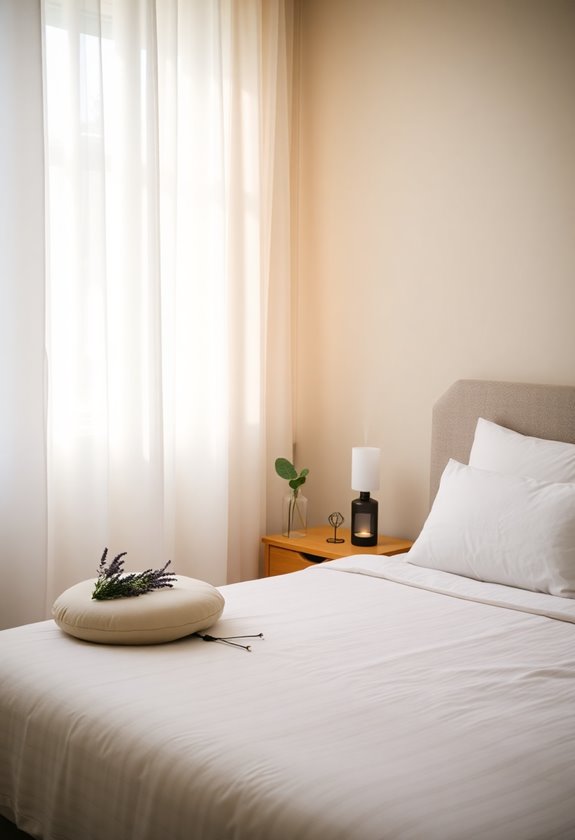
Sleep meditators often face the choice between guided and self-directed practices, each offering unique benefits for achieving restful sleep. With guided meditation, you'll follow an instructor's voice that leads you through breathing exercises and visualization techniques, which can be especially helpful when you're new to meditation or struggle with racing thoughts. Self-directed practice puts you in complete control of your meditation pace and style, allowing you to adapt the experience to your changing needs without external input.
Consider trying both approaches to determine what works best for your sleep routine:
- Guided meditation offers structure and consistent support
- Self-directed practice builds independence and deeper self-awareness
- You can switch between methods depending on your energy level
- Some people benefit from starting with guided sessions before moving to self-directed practice
Overcoming Common Meditation Challenges
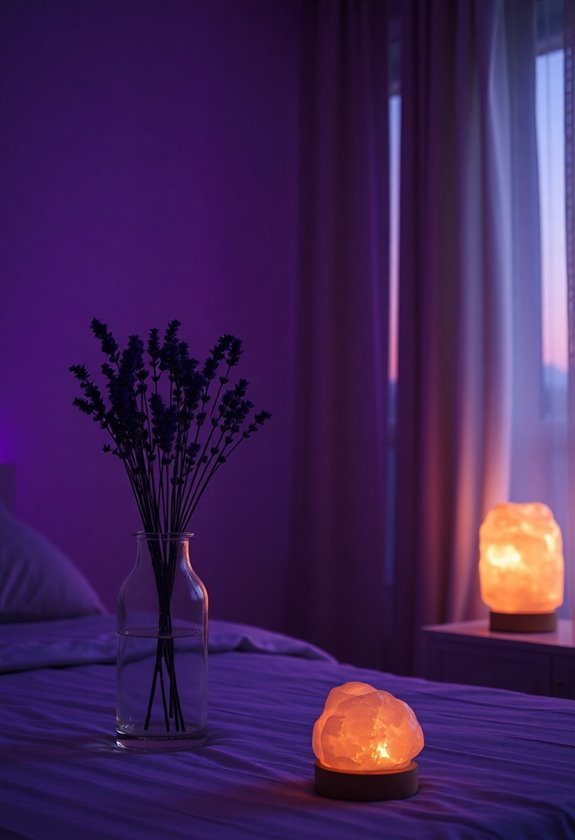
While both guided and self-directed meditation can lead to better sleep, many practitioners face common obstacles that can derail their practice. You'll find that addressing these challenges head-on will strengthen your meditation journey and improve your sleep quality over time.
Here are the most common meditation challenges you'll need to overcome:
- Racing thoughts that won't slow down, especially when you're trying to focus on breathing
- Physical discomfort or restlessness that makes it difficult to remain still
- Difficulty maintaining consistency in your practice due to varying schedules
- Frustration when your mind repeatedly wanders from the meditation
- Environmental distractions like noise, temperature, or light that interrupt your focus
You can overcome these obstacles by acknowledging them without judgment and gently redirecting your attention back to your meditation practice whenever you notice your focus shifting.
Frequently Asked Questions
Can Sleep Meditation Help With Sleep Apnea or Other Medical Sleep Disorders?
While sleep meditation can help reduce stress and improve overall sleep quality, it shouldn't be used as a primary treatment for sleep apnea or medical sleep disorders. You'll need proper medical intervention, like CPAP therapy or other doctor-prescribed treatments, for these conditions. However, meditation can complement your medical treatment by helping you relax before bed and establish better sleep habits alongside your prescribed therapy.
How Long Should I Practice Sleep Meditation Before Seeing Noticeable Results?
While some people notice improvements in their sleep after just a few nights, you'll typically need 2-4 weeks of consistent practice to see lasting results. You'll want to practice sleep meditation for 10-20 minutes each night before bedtime to establish a reliable routine. Don't get discouraged if you don't see immediate changes – your brain needs time to adapt to this new relaxation technique and build effective sleep patterns.
Is It Normal to Fall Asleep During Meditation Practice?
Yes, it's completely normal to fall asleep during meditation practice, and it's actually quite common for beginners. While traditional meditation aims to maintain awareness, sleep meditation specifically encourages a natural shift into sleep. You shouldn't feel frustrated if you drift off, as this response indicates your body is responding to the relaxation techniques. If you're practicing during the day and want to stay alert, try meditating in a seated position rather than lying down.
Should I Meditate in Bed or Somewhere Else Before Going to Sleep?
Picture yourself drifting off in your favorite meditation spot, peaceful and calm. While it's tempting to meditate in bed, you shouldn't make this a habit. Your bed should be associated strictly with sleep, and meditating elsewhere helps maintain this connection. Choose a quiet, comfortable spot like a cozy chair or cushion near your bedroom, where you can shift to bed once you're relaxed and ready for sleep.
Can Sleep Meditation Replace Sleeping Pills or Other Sleep Medications?
While sleep meditation can be a powerful natural tool for improving your sleep quality, you shouldn't replace prescribed medications without consulting your healthcare provider. Meditation can complement your existing sleep treatment plan by reducing anxiety and promoting relaxation, but it's not a direct substitute for medical interventions. If you're considering changes to your sleep medication routine, work with your doctor to develop a safe, personalized approach.