

You'll need a systematic approach to master the splits through daily yoga practice. Start with essential warm-ups like hip circles and leg swings, then progress to foundational poses including butterfly pose and pigeon pose for hip opening. Incorporate low lunge variations and half-splits to build flexibility, holding each pose for 30-60 seconds while maintaining proper alignment. Practice wall splits and core-strengthening exercises to develop stability, and remember to coordinate deep breathing with your movements. Following a consistent routine of these poses, practiced 5 days per week with adequate rest, will guide you toward your splits goals.
Highlights
- Start with butterfly and pigeon poses daily to deeply open hip flexors and prepare the body for splits progression.
- Practice low lunge variations with proper alignment, holding each position for 5-8 breaths to build flexibility safely.
- Incorporate daily hamstring-focused poses like forward folds and downward dog, maintaining each stretch for 30-45 seconds.
- Use wall splits as a preparatory exercise to build strength and stability while maintaining proper form.
- Perform dynamic stretching exercises targeting hip flexors and hamstrings before attempting deeper split positions.
Benefits of Splits Preparation
The practice of preparing for splits delivers far more benefits than just achieving the pose itself. As you work toward this goal, you'll increase flexibility throughout your entire posterior chain, from your calves through your hamstrings and into your hips.
Here's what your body gains from consistent splits preparation:
- Enhanced hip mobility that'll improve your everyday movements and athletic performance
- Reduced risk of lower back pain through better hamstring flexibility and pelvic alignment
- Improved circulation to your legs and pelvic region, supporting overall muscle recovery
- Strengthened core stability as you learn to maintain proper form
- Better balance and body awareness that transfers to other physical activities
- Increased range of motion in your hip flexors and quadriceps
- Greater mind-body connection through focused stretching practice
Essential Warm-Up Exercises
Proper warm-up exercises lay the foundation for safe and effective splits training. Before attempting any deep stretches, you'll need to spend at least 10-15 minutes preparing your muscles through dynamic movements and gentle stretches.
Start with five minutes of light cardio to increase your heart rate and blood flow to your muscles. You'll want to focus on these key warm-up exercises:
- Hip circles in both directions, 20 repetitions each side
- Leg swings forward and back, holding onto a wall for balance
- Walking lunges with gentle twists, 10 per side
- Cat-cow poses to mobilize your spine, 8-10 repetitions
- Downward dog pedaling to stretch your calves and hamstrings
- Gentle knee hugs while lying on your back
Low Lunge Variations
After warming up your muscles, you'll begin building flexibility through low lunge variations – foundational poses that open your hip flexors and prepare your body for splits.
- Start in a basic low lunge with your back knee down, ensuring your front knee stays directly above your ankle.
- Deepen the stretch by lifting your arms overhead while keeping your hips square and pressing your back hip forward.
- Try the twisted variation by placing both hands on your front thigh, then rotating your torso toward your bent knee.
- Progress to a suspended low lunge by lifting your back knee off the ground, which engages your core and intensifies the hip stretch.
Hold each variation for 5-8 deep breaths, and don't push beyond your current flexibility level.
Hip Opening Poses
Building on your lunge work, hip opening poses form an essential bridge toward achieving full splits. You'll need to focus on stretches that target both your inner and outer hip muscles through controlled, sustained movements.
Start with Butterfly Pose (Baddha Konasana), drawing your heels close to your body while keeping your spine straight. Progress to Pigeon Pose (Eka Pada Rajakapotasana), which deeply releases your hip flexors and opens your hip joints through focused breathing. When you're ready, move into Frog Pose (Mandukasana), where you'll position your knees wide while keeping your ankles in line with your knees. These poses, when practiced regularly with proper alignment, will systematically increase your hip mobility and flexibility, bringing you closer to your splits goal. Using a yoga wheel support can help deepen these hip-opening stretches while maintaining proper form and alignment.
Hamstring Flexibility Sequence
Tight hamstrings often present the biggest roadblock to achieving full splits, so you'll need a targeted stretching sequence to address this challenge. Begin with these essential poses in order:
- Forward Fold (Uttanasana): Bend forward from your hips, letting your head hang heavy while keeping a slight bend in your knees.
- Downward-Facing Dog: Press your heels toward the mat while lengthening through your spine and maintaining active engagement.
- Single-Leg Forward Fold: While seated, extend one leg forward and fold over it, keeping your back straight and foot flexed.
- Half Splits (Ardha Hanumanasana): From a low lunge, straighten your front leg while keeping your hips square and slowly folding forward.
Hold each pose for 5-8 deep breaths, focusing on releasing tension with each exhale.
Core Strengthening Poses
A strong core foundation serves as your anchor for maintaining proper alignment in splits. You'll need to develop both your deep core stabilizers and superficial abdominal muscles through targeted yoga poses that challenge your center while promoting balanced strength development.
Start incorporating these essential core-focused poses into your splits preparation routine:
- Forearm Plank with alternating leg lifts engages your transverse abdominis while improving hip stability
- Boat Pose (Navasana) strengthens your entire core complex while developing the hip flexor control needed for splits
- Side Plank variations target your obliques and lateral core muscles, creating the necessary stability for proper splits alignment
When you're practicing these poses, focus on maintaining steady breathing while drawing your navel toward your spine, which helps activate your deep core muscles effectively.
Proper Alignment Techniques
Maintaining proper alignment throughout your splits practice prevents injury and accelerates your progress toward full splits. You'll want to focus on keeping your hips square and your spine neutral while engaging your core muscles throughout each pose.
- Always point both of your hip bones directly forward, preventing any rotation that could strain your joints
- Keep your front knee aligned directly over your ankle, never letting it cave inward or outward
- Draw your shoulders down and back, maintaining length through your spine while avoiding any slouching
- Engage your quadriceps and hamstrings equally to create stability in your legs
- Press your back leg's hip forward while keeping your pelvis level to guarantee even weight distribution
- Remember to breathe deeply and consistently, which helps maintain proper form
Using a yoga strap can help maintain proper alignment while gently easing into deeper stretches.
Progressive Split Training Methods
Progressive split training requires patience and a systematic approach to safely increase your flexibility over time. You'll need to establish a consistent routine that gradually challenges your body's current limitations while respecting its natural boundaries and adaptability thresholds.
Start with foundational poses and work through each progression level until you've mastered it before moving forward. Here's what you'll focus on during your training:
- Begin with half-splits and low lunges, holding each pose for 30-60 seconds while maintaining proper form
- Incorporate dynamic stretching exercises that target hip flexors, hamstrings, and adductors
- Practice wall splits to build strength and stability while developing proper alignment awareness
Remember to warm up thoroughly before attempting any split work, and don't rush through the progressions as this can lead to injury.
Daily Practice Schedule
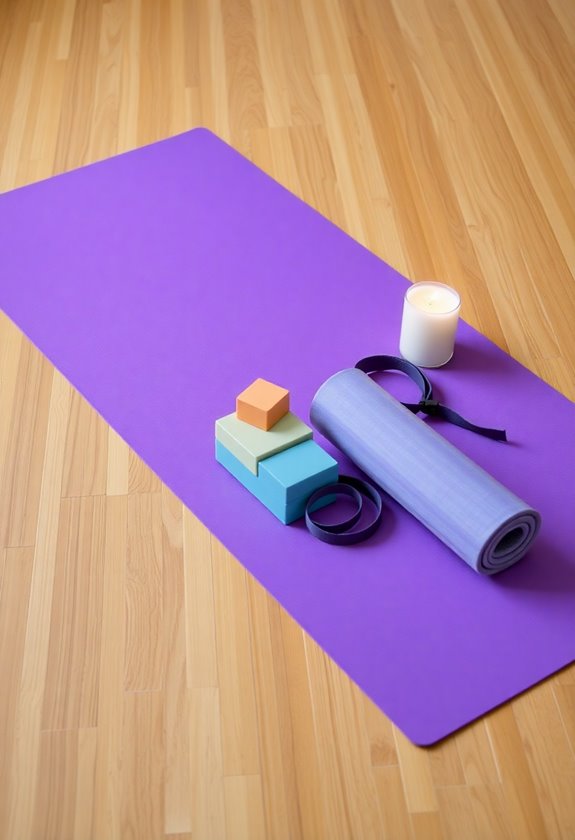
Creating a daily practice schedule is essential for achieving split mastery and maintaining steady progress. You'll need to dedicate 20-30 minutes each day, preferably at the same time, to establish a consistent routine that your body can adapt to naturally.
Start your practice with 5-10 minutes of gentle warm-up exercises, focusing on dynamic stretches that target your hip flexors and hamstrings. During the main portion of your session, you'll want to hold each preparatory pose for 30-45 seconds while maintaining proper alignment and breathing deeply. Schedule your split-specific training for at least five days per week, allowing two rest days that don't need to be consecutive. If you're experiencing unusual soreness, it's important to adjust your schedule by incorporating additional rest days or reducing hold times.
Frequently Asked Questions
How Long Does It Typically Take to Achieve Full Splits?
You'll typically achieve full splits in 2-6 months with consistent daily practice, though individual flexibility varies considerably. Your starting flexibility, practice frequency, and commitment to proper form will greatly influence your progress timeline. If you're practicing 15-20 minutes daily with proper stretching techniques, warming up thoroughly, and maintaining patience, you can expect to see meaningful progress every few weeks.
Can I Practice Splits Training if I Have Previous Knee Injuries?
While knee injuries require caution, you can still work toward splits with proper modifications and medical clearance. It's crucial to consult your physical therapist or doctor first, who'll evaluate your specific injury and recovery status. You'll need to focus on gentle stretching progressions, avoid any movements that cause pain, and pay extra attention to proper alignment. If cleared, start with supported variations and progress gradually.
Should I Practice Splits on Both Legs Simultaneously or Alternate Days?
You'll get better results by training both legs during each session rather than alternating days. Working both sides helps maintain muscular balance and prevents asymmetrical development in your flexibility. While you can dedicate more time to your less flexible side during practice, it's crucial to progress both legs simultaneously to guarantee even development and reduce the risk of compensatory movement patterns that could lead to injuries.
Is It Normal to Feel Uneven Flexibility Between Right and Left Splits?
Yes, it's completely normal to have different flexibility levels between your right and left splits. Your dominant side often shows greater flexibility, just like you're probably stronger on one side than the other. This imbalance stems from daily habits, past injuries, and which side you use more frequently in activities. You can work to even out these differences by giving extra attention and stretching time to your tighter side while maintaining your more flexible side.
What Should I Do if I Experience Lower Back Pain During Splits Practice?
If you're experiencing lower back pain during splits, immediately stop and reassess your form. Your back shouldn't be taking the load during this stretch. Begin each splits practice with a thorough warm-up focusing on your hip flexors and hamstrings. You should engage your core muscles throughout the movement to protect your spine, and if the pain persists, it's crucial to consult a qualified yoga instructor or physical therapist for proper alignment guidance.


