

You'll find success with plus-size yoga by starting with foundational poses like Mountain Pose and Child's Pose while using proper equipment. Begin with a thick yoga mat and supportive props like blocks and straps to modify positions for your comfort. Focus on wide stances in standing poses, and don't hesitate to use a wall or chair for balance when needed. Practice gentle movements like cat-cow stretches and modified sun salutations at your own pace, incorporating deep breathing throughout. As you explore these beginner-friendly positions, you'll discover numerous ways to adapt each pose for your unique body.
Highlights
- Start with Mountain Pose using a wall for support, focusing on proper alignment and grounding through your feet.
- Practice Child's Pose with knees wide apart and blocks under forehead for comfortable belly space.
- Try seated forward folds using blocks or blankets under hips to maintain proper spine alignment.
- Perform modified Downward Dog with hands elevated on blocks or a chair to reduce wrist strain.
- Explore Cat-Cow stretches on hands and knees to safely warm up spine and core muscles.
Understanding Plus-Size Yoga Benefits
Embracing yoga as a plus-size individual opens up a world of transformative benefits for your physical, mental, and emotional well-being. You'll experience improvements in muscle strength and flexibility while supporting healthy weight management through regular practice. Dynamic movement patterns help facilitate natural fat burning as you progress in your practice.
The benefits extend far beyond the physical aspects, as you'll develop valuable stress management tools and enhance your mental clarity through mindful movement. Your journey with plus-size yoga will help you build confidence and body acceptance in a supportive, inclusive environment that's designed for practitioners of all sizes. Through consistent practice, you'll notice positive changes in your eating habits and overall energy levels, while the accessible modifications guarantee you can participate comfortably in various poses. Virtual resources and specialized classes make it easier than ever to begin your yoga practice at home or in a welcoming studio setting.
Essential Equipment for Comfortable Practice
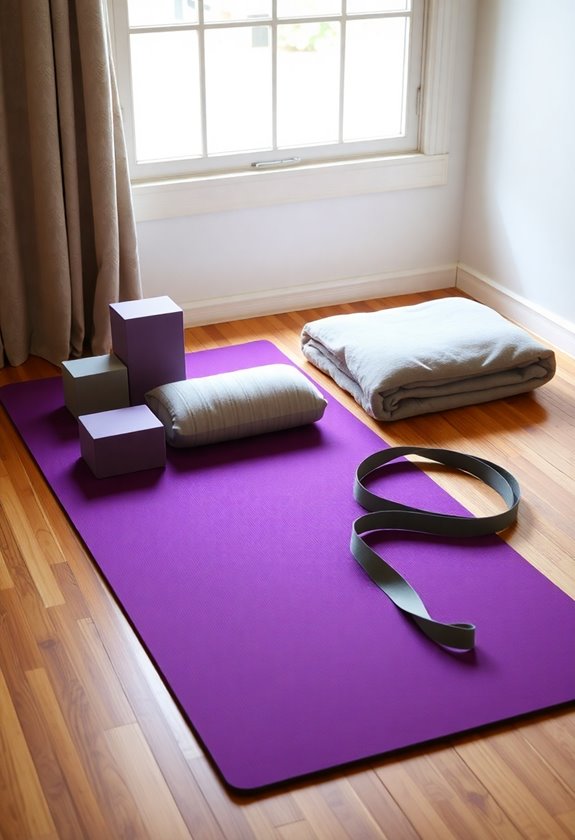
To make the most of your plus-size yoga journey, you'll need the right tools and equipment that support your practice effectively. When selecting your gear, focus on items that provide comfort, stability, and proper support for your body during various poses and movements. Approaching with patience will help you build a sustainable practice that meets your needs.
Consider placing anti-fatigue mats beneath your yoga mat for additional joint protection and enhanced comfort during standing poses.
Here's what you'll want to prioritize for your practice:
- A thicker yoga mat (1/2 inch) with non-slip surfaces to protect your joints and guarantee stability
- High-density yoga blocks and straps to help modify poses and deepen stretches safely
- Comfortable, breathable leggings with or without pockets, depending on your practice location
- Supportive plus-size sports bras that offer proper coverage and minimize movement
- Bolsters and cushions that provide extra support during seated poses and restorative practices
These essential items will help create a foundation for a safe, comfortable, and sustainable yoga practice.
Finding Your Perfect Yoga Class
Finding the right yoga class as a plus-size beginner can feel overwhelming due to the variety of options available. You'll want to focus on gentle or beginner-friendly versions of practices like Vinyasa yoga, where modifications and props are readily available to support your practice.
Consider starting with 15-minute classes to make your yoga practice more approachable and manageable throughout your day. Having a quality yoga mat that provides proper cushioning and grip will help you feel more stable and confident in your poses. If you find it difficult to carve out time for a longer practice, incorporating 15-minute classes into your morning yoga routine can make a big difference. It’s a great way to start your day with a quick and effective yoga session that sets a positive tone for the rest of your day. Investing in a quality yoga mat will not only enhance your practice, but it will also provide the necessary support and comfort for your morning yoga routine.
When selecting your class, look for these key elements:
- An instructor who's experienced with teaching plus-size students
- A welcoming, body-positive environment
- Clear guidance and supportive feedback
- Flexible pacing that allows for adjustments
- Props and modification options
Before committing to a regular class, take advantage of trial sessions to experience different teaching styles and environments. Don't hesitate to reach out to instructors beforehand to discuss your needs and any concerns you might have about starting your yoga journey.
Getting Started With Basic Poses
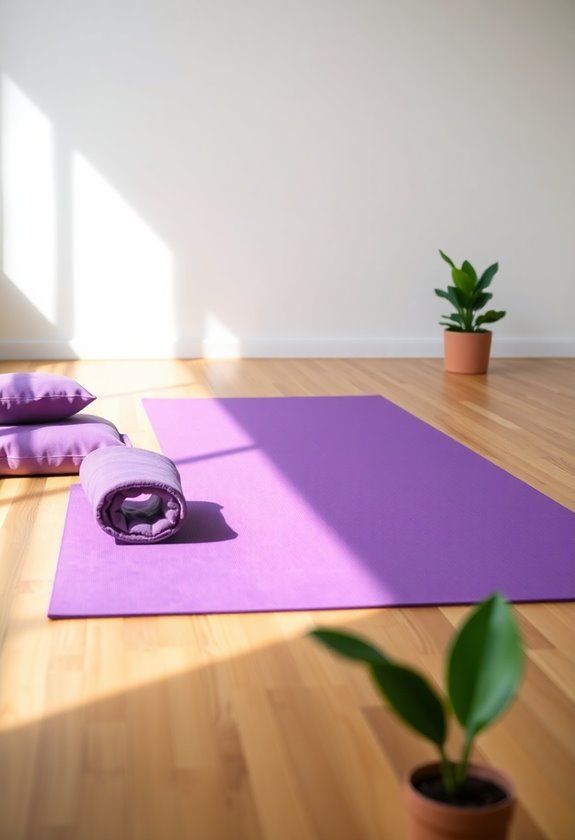
Basic yoga poses provide the foundation for your entire practice, and starting with proper form will help you build confidence and strength. You'll want to begin with simple, modified positions that feel comfortable while maintaining proper alignment and breathing techniques. Props like straps and bolsters can make poses more accessible and enjoyable for practitioners of all sizes. Quality yoga blocks are essential tools that provide stability and support during your practice.
- Start with Mountain Pose, standing with feet slightly wider than hip-width for better stability
- Use blocks to bring the floor closer in Downward-Facing Dog, keeping your knees bent if needed
- Practice Child's Pose with your knees wide and blocks under your forehead for support
- Try seated forward folds using a block or blanket beneath your hips
- Explore Sun Salutations at your own pace, modifying Chaturanga with knees down
Remember to breathe deeply through each movement, and don't hesitate to adjust poses using props when you need extra support. Your body's comfort should always be your primary focus as you develop your practice.
Body-Friendly Pose Modifications
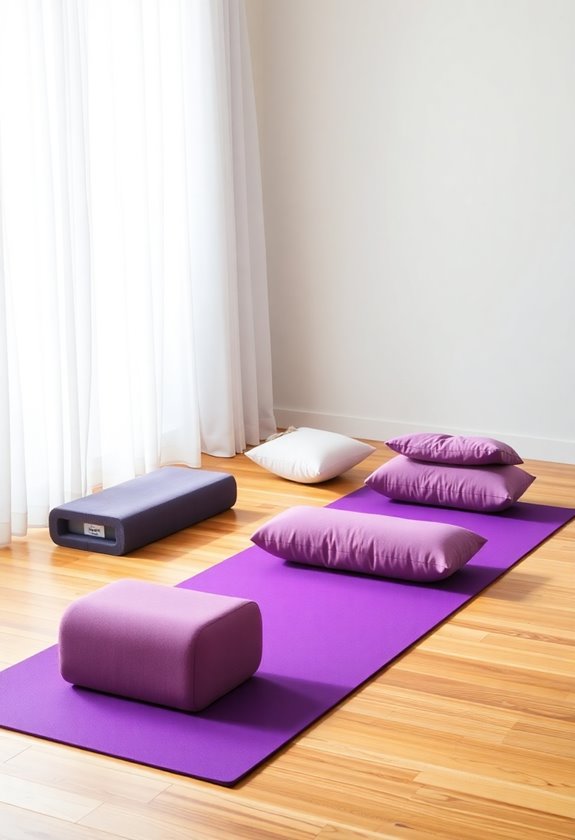
Making yoga accessible to every body type starts with understanding how to modify traditional poses. You'll find that simple adjustments can make a significant difference in your comfort and stability during practice.
- Widen your stance in standing poses like Mountain Pose to create more space and better balance
- Use blocks for forward folds and pyramid poses to maintain proper alignment while reducing strain
- Support your balance in Tree Pose by keeping one hand on a wall
- Elevate your hands on blocks or a chair for Downward Dog to reduce wrist pressure
- Place a block under your hips during seated poses to help maintain a straight spine
Remember to engage with compassion as you explore these modifications, allowing your practice to foster body appreciation and confidence.
Safe Breathing Techniques
Now that you've mastered body-friendly pose modifications, let's focus on proper breathing to enhance your yoga practice. Your breath is a powerful tool that'll help you move safely through poses while maintaining balance and reducing stress. Understanding and practicing safe breathing techniques can greatly improve your yoga experience and overall well-being.
Here are essential breathing techniques you can incorporate into your practice:
- Start with Ujjayi (Ocean Breath), breathing through your nose while creating a gentle wave-like sound
- Practice Sama Vritti (Equal Breath) by making your inhales and exhales the same length
- Try gentle alternate nostril breathing to promote balance and calmness
- Focus on your natural breathing patterns without forcing any particular technique
- Listen to your body and adjust your breathing if you experience any discomfort
Remember to always work within your comfort level and never push yourself beyond what feels right for your body.
Building Core Body Strength
Strong core muscles form the foundation of a successful yoga practice, especially for plus-size beginners. You'll find that strengthening your core muscles helps improve balance, stability, and your ability to shift smoothly between poses.
Start with modified poses that work best for your body:
- Try Bird Dog pose to strengthen your abs, back, and shoulders
- Practice Forearm Plank using elevated surfaces to reduce wrist strain
- Incorporate Modified Plank with bent knees for gentler core engagement
- Move through simple Downward Dog to Plank flows at your own pace
Remember to engage your core throughout each pose, breathe deeply, and listen to your body's signals. You'll want to begin with shorter sequences and gradually increase your practice duration as your strength develops. Consider using an adjustable footrest during seated meditation poses to maintain proper posture and reduce leg strain.
Proper Alignment and Form
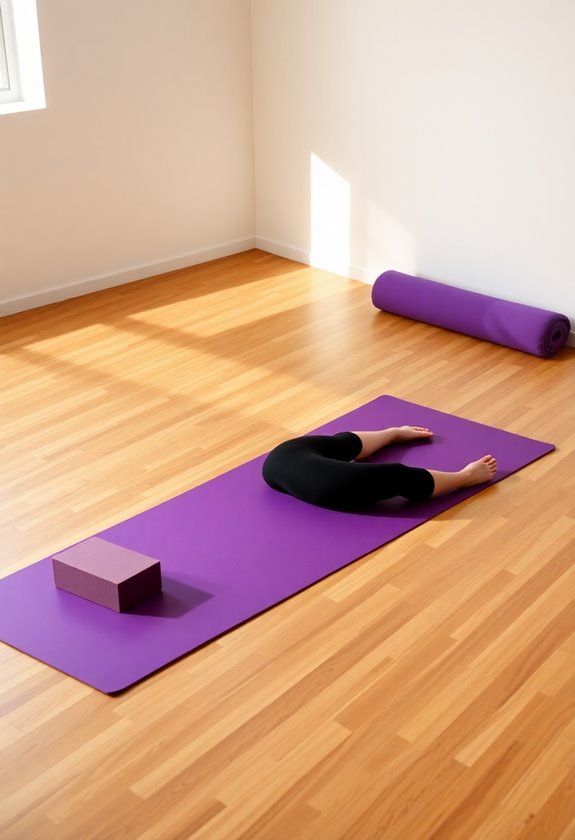
The foundation of a successful yoga practice lies in proper alignment and form, especially for plus-size practitioners who may need specific adjustments. You'll want to maintain a long spine during forward bends while using props to support your body's natural alignment.
Here are key alignment principles to follow:
- Keep your core engaged and abdomen hugged in to maintain spinal stability
- Position your feet wider apart in standing poses to create space for your body
- Use blocks and straps to achieve proper form without straining
- Place blankets under your knees when practicing poses on hands and knees
- Focus on your breath to maintain alignment throughout each pose
Creating a Home Practice Space
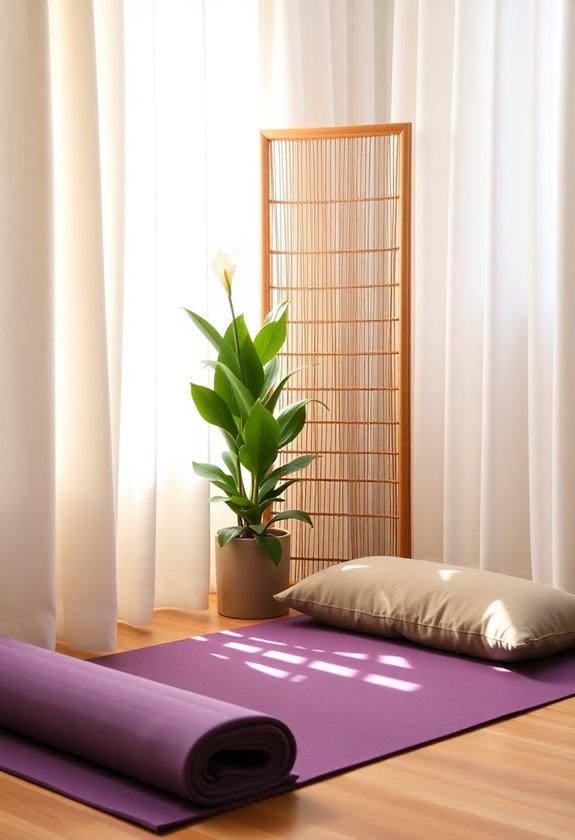
Setting up a dedicated yoga space at home can transform your practice and make it more accessible for your plus-size journey. You'll want to start by finding a quiet area that's at least 20 square feet, which gives you enough room to move comfortably on your mat and store essential props.
Choose a spot that's free from distractions and create a calming atmosphere with soft lighting, perhaps adding a few plants or meaningful spiritual items that resonate with you. When arranging your space, position your mat where you'll have clear access to props like blocks, straps, and bolsters, which can be especially helpful for modifying poses. If you're working with limited space, consider using a corner of your living room or bedroom, but make sure it's an area where you won't be interrupted during your practice. Consider adding a meditation cushion to your space for comfort during seated poses and mindfulness practices.
Developing a Regular Routine
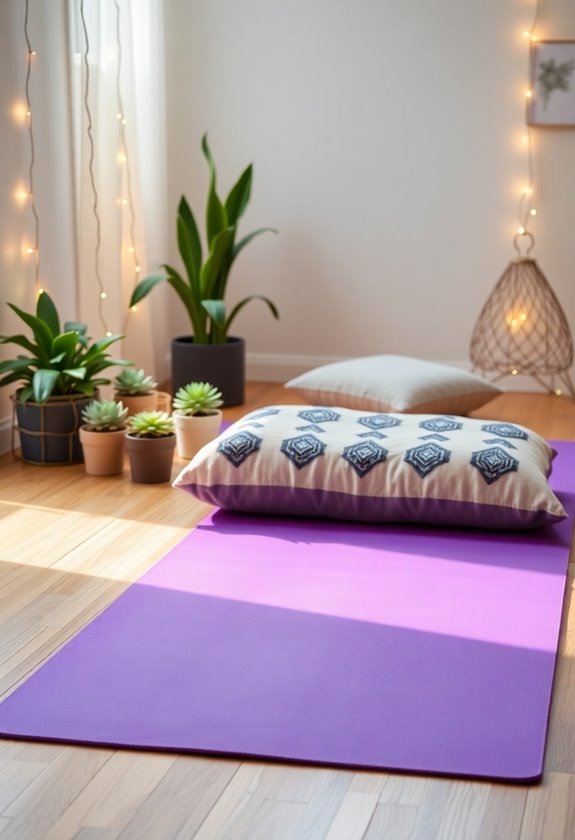
Developing a consistent yoga practice starts with building a realistic and sustainable routine that fits your lifestyle. You'll want to begin with short, manageable sessions of 10-15 minutes and gradually increase the duration as your comfort level grows.
- Start your practice with gentle warm-ups like cat-cow stretches to prepare your spine
- Focus on foundational poses such as Child's Pose and Mountain Pose to build strength
- Incorporate breathing techniques while moving through each position
- Use props and modifications when needed to support your body's unique needs
- End each session with a relaxing pose like Corpse Pose
Choose a specific time each day for your practice, preferably in the morning when you're energized and less likely to skip your session. As you progress, you'll naturally find yourself wanting to explore more challenging poses and longer sequences.
Addressing Common Challenges
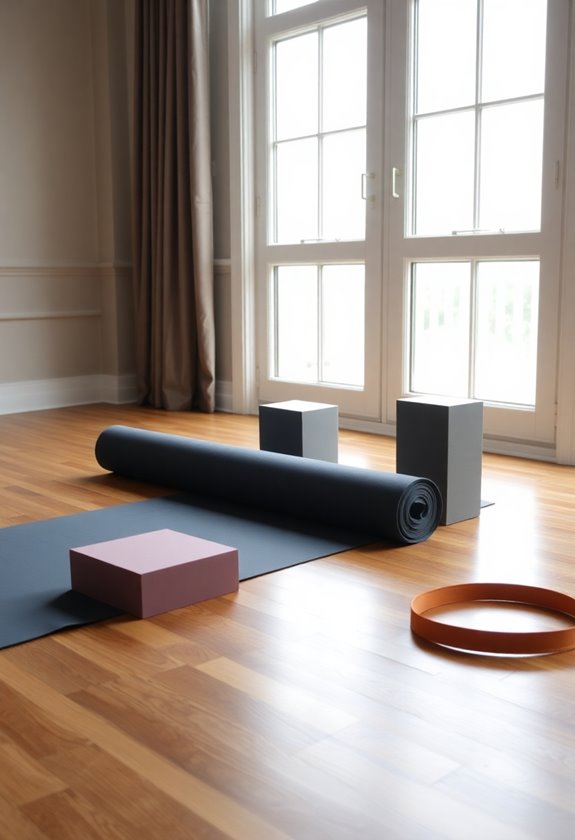
Starting your plus-size yoga journey can feel overwhelming when faced with common physical challenges, but understanding how to adapt poses and movements will help you create a more comfortable practice.
You'll likely encounter these key challenges, but they're manageable with proper modifications:
- Breathing difficulties: Use wider stances and gentle movements to reduce pressure on your diaphragm while focusing on breath control.
- Wrist and hand strain: Elevate your hands during poses like Downward Dog using blocks or a sturdy surface to decrease pressure.
- Balance and stability issues: Widen your stance in standing poses and don't hesitate to use the wall or a chair for support.
- Limited flexibility: Use props like blocks and straps to maintain proper alignment while gradually building your range of motion.
Tracking Your Yoga Progress
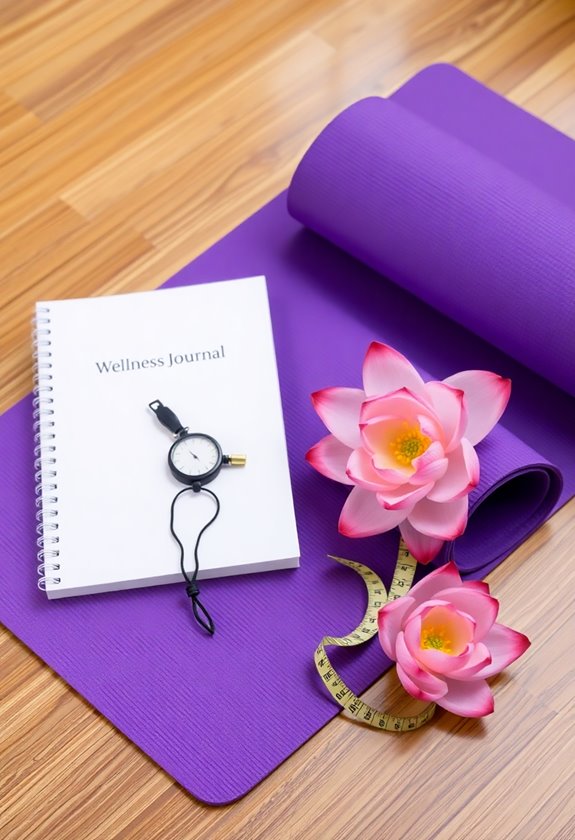
While managing physical challenges is important, measuring your progress helps keep you motivated and aware of your evolving practice. You'll want to track various aspects of your yoga journey using practical tools and consistent documentation methods that work for your lifestyle.
- Take regular photos of your poses to visually document your improvements over time
- Use a yoga journal to record your daily practice, including pose achievements and challenges
- Monitor your hold times for poses using a timer to track stability and strength gains
- Document physical changes like improved flexibility, balance, and muscle tone
- Track your mental well-being improvements, including stress reduction and mindfulness
Remember that progress isn't just about perfecting poses – it's about developing a stronger mind-body connection and building confidence through your practice. You'll see improvements in both physical capabilities and emotional resilience as you continue your journey.
Frequently Asked Questions
How Long Should I Wait After Eating Before Practicing Yoga?
While gentle poses like Vajrasana can be practiced right after eating, you'll need to wait longer for more demanding exercises. Give yourself 2 hours after a meal for light movements and basic poses, but wait 3-4 hours before attempting challenging postures or inversions. For pranayama and intense practices, you should allow a full 4-hour gap to guarantee proper digestion and avoid discomfort.
Can I Practice Yoga While Menstruating?
You can practice yoga during menstruation, but you'll need to modify your routine. Stick to gentle poses like butterfly pose, child's pose, and legs up the wall, while avoiding inversions and deep forward bends. Your body's unique needs should guide your practice, and it's important to focus on restorative movements that can help ease cramps and reduce discomfort. Listen to your body and don't push yourself too hard during this time.
Should I Remove My Jewelry Before Starting a Yoga Session?
While it's not mandatory, removing jewelry before yoga is recommended for both comfort and safety. You'll want to take off dangling earrings, bracelets, and necklaces that might get tangled during poses or distract you from your practice. If you're wearing rings or small studs that don't interfere with movement, you can keep them on. Remember, your focus should be on your breath and form rather than adjusting loose accessories.
Is It Normal for My Joints to Crack During Certain Poses?
Yes, joint cracking during yoga poses is common and usually harmless, especially if it's not accompanied by pain. Your joints contain fluid with dissolved gases that can release during movement, creating popping sounds. However, if you're experiencing pain or discomfort with the cracking, or if it happens frequently, you'll want to consult a healthcare provider to ascertain proper joint health and movement patterns.
Can I Practice Yoga if I Have Recent Surgical Scars?
While you're on the road to recovery, you can practice yoga with surgical scars, but you'll need to take it slow and steady. You must get your healthcare provider's approval first, then focus on gentle poses that don't strain your surgical site. Start with basic stretches and breathing exercises, gradually increasing intensity as you heal. Remember to avoid poses that put direct pressure on your scars and stop immediately if you feel pain.


